
There’s still space in America where nothing feels rushed. Imagine the calm settling in as you step away from deadlines and to-do lists, walking into a world where time slows, birdsong replaces phone alerts, and the only agenda is sunrise and sunset. Camping on undeveloped land isn’t just an escape from concrete and crowds; it’s a return to a rhythm that refreshes the soul, strengthens bonds, and invites true presence. Beneath the open sky, with campfire stories and morning coffee, you’ll discover why loosening life’s grip on the clock transforms outdoor time into lifelong memories.
There’s Still Space in America Where Nothing Feels Rushed: The Allure of Camping on Undeveloped Land
The allure of camping on undeveloped land is simple yet profound, here, there’s no hurry, no itinerary, and no pressure to maximize every moment. Stretching across public forests, rolling state forest hills, and vast tracts of wild public land, these spaces invite us to a slower, fuller life. Unlike crowded campgrounds or overplanned vacations, dispersed camping on public land encourages pure freedom. There’s room to breathe, to think, and most importantly, to simply be. Instead of rushing from one activity to another, weekends on undeveloped land unfold naturally: morning sunlight filtering through trees, afternoons wandering with no set path, and unscripted evenings gathered around glowing embers.
This cultural slowness runs contrary to most modern routines. In daily life, alerts and schedules demand our constant attention, giving little space for silence or reflection. But in these quiet corners of public lands and state forests, time expands. Conversations go deeper, laughter echoes longer, and the trivial recedes into the background. Camping on undeveloped land becomes an act of emotional homecoming, an invitation to let nature, not the clock, direct the pace of life.
Setting the Scene: Embracing Silence and Solitude on Public Land
There’s a special kind of silence found in the heart of public land. It isn’t empty, it’s alive with the sounds you’d forgotten existed. The soft rustle of leaves, the distant call of birds, and the rhythmic rise and fall of the wind make up an ever-shifting song that soothes and inspires. Whether you are nestled in a state forest or beside a peaceful meadow, the absence of engines and constant chatter encourages real stillness. This solitude is not loneliness. Instead, it fosters deep contentment, grounding you in the present. When you camp on undeveloped land, you become part of the landscape rather than just a visitor. Moments of pause, watching the mist lift or the sunlight dapple through oaks, remind us why these wild spaces hold such enduring appeal.
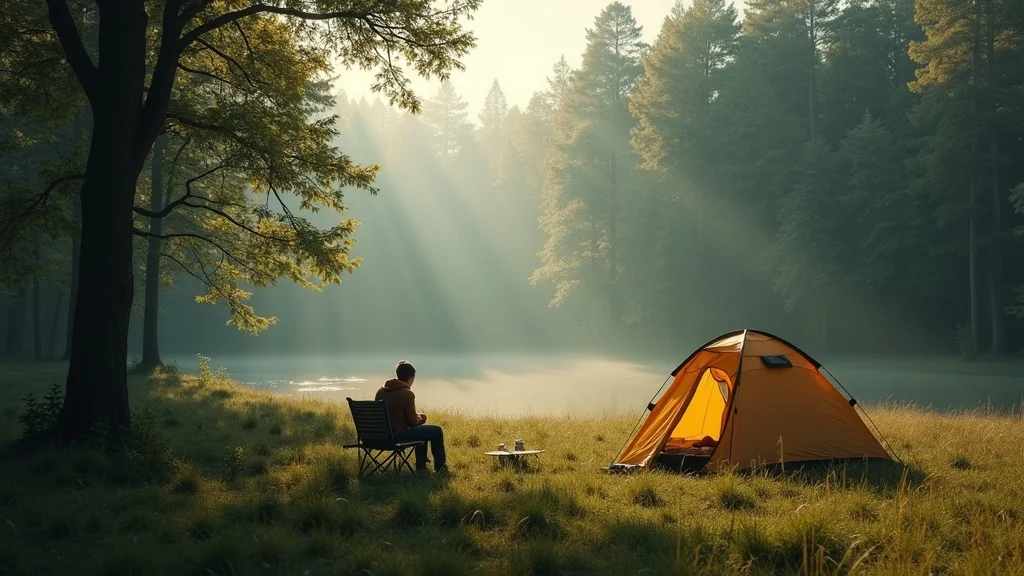
The effect is transformative. Distractions fall away, and your thoughts quiet down. Slowly, worry gives way to a growing appreciation for each sensory detail: the scent of moss, the play of shadows across grass, the coolness of earth beneath your resting feet. Over a few days, this immersion draws out a sense of gratitude, a feeling that, at least in this place, all is well.
Public Lands, Dispersed Camping, and the Spirit of Slowness
On public lands, time drifts gently. Dispersed camping means no assigned spots, no packed fire rings, and no neighbors' radios or car engines humming late into the night. State forests and national forests alike offer vast areas where camping is allowed outside of designated campgrounds. Here, the spirit of slowness reigns. No one’s pushing you to check out by noon or compete for the best site. The absence of structured routines creates opportunities for organic adventure and reflection, wandering down unmarked trails, discovering a hidden creek, or simply sitting in observation as the day fades into evening.
This unhurried pace draws people not just for recreation, but for restoration. Whether you’re car camping with loved ones or venturing deeper into forest land, the act of letting go of a strict itinerary opens space for relationships to deepen and new traditions to take root. It’s this unscheduled freedom that often sticks in our memory, moments where the only pressing matter is tending a small campfire or brewing coffee as the world wakes up.
What You’ll Learn About Camping on Undeveloped Land
How camping on undeveloped land differs emotionally from other experiences
The ritual and freedom of public lands, state forests, and dispersed camping
Why a slower pace fosters a deeper connection to nature and family
How simple outdoor moments become lifelong memories
Modern Life’s Constant Rush vs. the Stillness of Camping on Public Land
Modern life pulls us in a hundred directions at once. Work, errands, and social media steal quiet moments before we even miss them. We adapt, filling calendars and checking notifications with a sense of urgency that never truly leaves. But the moment you arrive for camping on public land, it feels like a weight has been lifted. Here, the rush subsides.
This transformation is as emotional as it is physical. You become more aware of subtle shifts in light, more attentive to voices around the fire, and more present in conversations free from outside pressures. This is why people return to public lands and state forests year after year, not for the novelty, but for the permission to slow down and listen to what matters.
“There’s a peace that settles around a campfire, a reminder that clocks and calendars have no power here.”
Slowing Down: How Dispersed Camping on Public Lands Changes Your Relationship With Time
When you leave behind digital alarms and scheduled obligations, something profound shifts. Dispersed camping on public land puts you in sync with the environment. Instead of counting minutes, you live by light, weather, and instinct. Each day feels uniquely crafted, morning dew, lazy afternoons, or the orange hush of dusk stretching across a wild horizon. These are the times when campers realize how little they need to feel fulfilled, how rare it is to feel unhurried, and how much closer they grow to family and self in the open air.
This shift in pace isn’t passive; it’s intentional. It begs you to look up, slow down, and truly see the world around you. In those unscheduled moments, lifelong memories form: kids skipping stones, parents turning pages by headlamp, friends trading stories as wood smoke drifts upward. The result? A deeper appreciation for nature, for each other, and for the healing that comes with letting go of time’s pressure.
Leaving Schedules Behind: Freedom Found on State Forest and Public Land
There’s a liberating magic in rolling up to a state forest trailhead or untouched patch of public land with no plan but to be present. As soon as camp is set, the urge to rush disappears. Activities, meals, and even bedtime unfold naturally, paced by sunlight, weather, and whim. No two days look alike.
This freedom is amplified when camping on public land, where dispersed camping is allowed and campers are free to choose their surroundings. Without site assignments, campers gain the flexibility to find their own private slice of wilderness. Some might explore shaded hollows, others perch on ridges with distant views, but all learn to savor the freedom of shaping time around nature’s offerings. Even familiar routines, making coffee, gathering dead wood, telling stories, feel fresh and restorative when unbound from the relentless march of schedules.
The Rhythm of the Wild: Letting Nature Guide Your Days and Nights
In the wild, a slow transformation unfolds, the old habit of glancing at a watch is replaced by attuning to the natural rhythm of the land. Your body resets itself: waking at sunrise, resting at dusk, and eating when you’re truly hungry. This is life led by the tempo of birdsong, breezes, and shifting shadows.
On undeveloped land, daily rituals are dictated by the world outside, not by screens. This means learning to read the sky for approaching storms, gauging time by the position of the sun, and letting evening’s gradual quiet lull you into contentment. For families, this shared rhythm draws everyone together; children participate in setting up camp, evening walks become mini adventures, and unscheduled freedom encourages laughter and reflection. Nature becomes the day’s only planner, and with it comes a deep sense of belonging, not just to the family, but to the land itself.
Campfires, Conversations, and Connections: Reclaiming Simple Joys While Camping on Undeveloped Land
There’s a reason why stories around the campfire linger in memory, these moments are unscripted, deeply comforting, and free from distractions. When you’re camping on undeveloped land, the structure of modern life falls away, making space for genuine connection. Whether lighting a fire ring with scavenged dead wood or sharing tales about past adventures, each action becomes part of an evolving tradition.
Simple outdoor rituals, roasting marshmallows, passing mugs of cocoa, or listening to night sounds, remind us how easily contentment can grow when life is unhurried. These conversations rarely happen in crowded spaces. On public lands, with the nearest neighbor acres away, attention returns to the people and the present. Spirits are lifted, families draw close, and new stories are etched in memory, ready to be retold the next time the kindling is lit.
Unscripted Evenings: Family Routines Around the Fire
Unplanned moments often become the most treasured. As dusk settles, families drift to the warmth of the campfire. Dinner is simple, the only entertainment a gentle crackle and flicker of flames. Laughter floats upward as stories are swapped, sometimes about generations past, or last summer’s fishing trip, or plans for tomorrow’s hike.
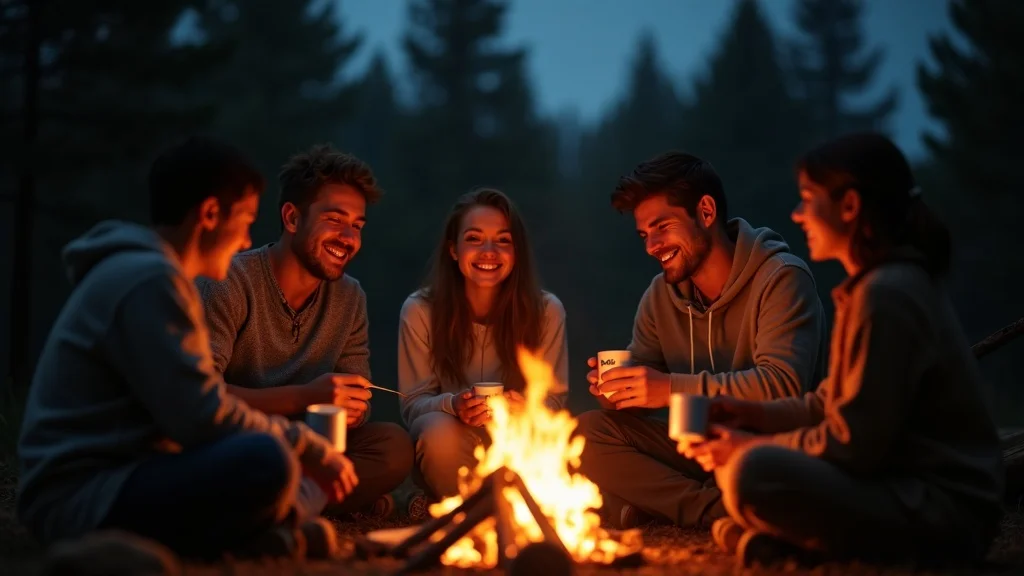
In these unhurried evenings, little rituals bloom: a parent teaching careful fire safety, siblings crafting s’mores, someone strumming a weathered guitar as others gaze skyward. There is no pressure to pack in activities; the reward is simply being together, time stretching slow and sweet as night deepens. These are the hours children will remember and grownups will look back on with a smile, a shared living story, retold every time the flames glow anew.
Human Connection: Why Outdoor Spaces Encourage Deeper Conversations
Out here, distractions fade and honest connection grows. The absence of screens, news, and background noise creates space for meaningful talk: quiet confessions, hopes for the future, or long-untold family tales. People often find words come easier around a fire in the woods, maybe it’s the anonymity of the dark, or perhaps the gentle pressure of nature’s endless patience. Whatever the reason, these encounters are what transform camping trips from good weekends to lifelong memories.
It’s not just families who feel it, friendships deepen, too, as the evening slows and guards drop. Campfires become therapy sessions, laughter rings brighter, and gratitude flows more freely. Camping on public land returns us to a simpler form of communication, less about efficiency and more about being heard, seen, and understood.
Rituals That Restore: Mornings, Coffee, and Outdoor Living on Public Lands
The way you start your day while camping on undeveloped land sets the mood for everything that follows. Here, there’s no hurry, no commute, and no inbox. Morning rituals become sensory joys, mugs steaming with fresh coffee, dew on boots, sun filtering through pine needles as the world comes alive. These restorative routines linger in the heart long after the last bag is packed and the tent is folded away.
With each sunrise, campers rediscover the pleasure of unhurried beginnings, filling lungs with crisp morning air, watching fog lift off a nearby pond, and appreciating the slow, mindful start that public lands encourage. In these moments, life’s pace is not only slowed, but also enriched.
Unhurried Beginnings: The Magic of Slow Mornings and Coffee Outdoors
One of the simple joys of camping on public land is the sacred act of brewing and sipping coffee outdoors. It isn’t about caffeine as much as it’s about ritual and presence. Whether poured from a battered enamel percolator or sipped from a thermos, morning coffee tastes different in the wild, fuller, richer, savored with gratitude.
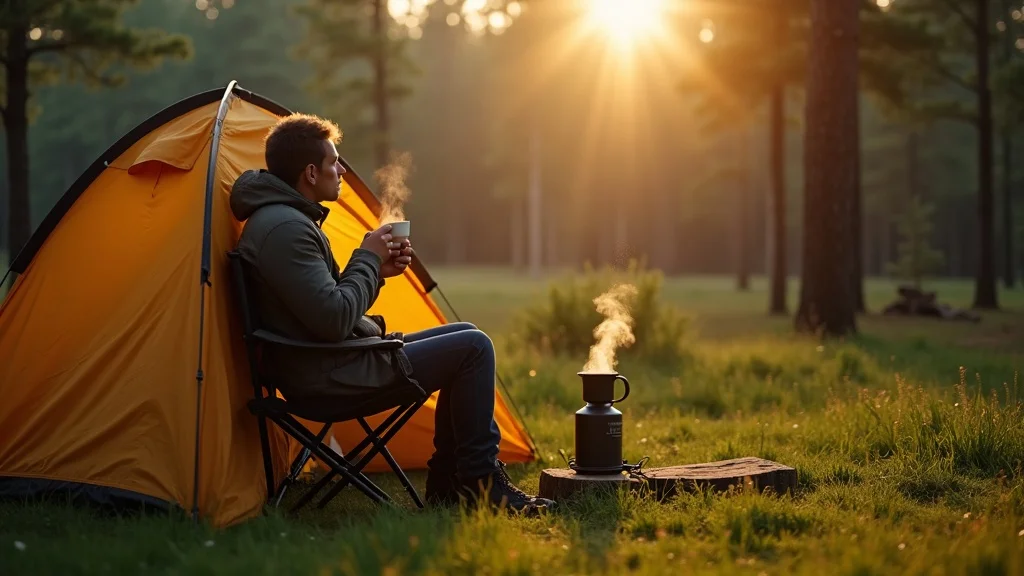
Time stretches as conversation trickles and the sun climbs slowly. There’s no rush to the day’s first task. Instead, campers linger, watching mist roll through the trees, listening to distant woodpeckers, and simply appreciating the quiet promise of the hours ahead. These unhurried beginnings become the foundation for a refreshed mind and lighter spirit.
Nature’s Alarm Clock: Birds, Breezes, and Sunrise Replacing Notifications
Waking on undeveloped land is unlike any morning at home. There are no buzzing alarms or screens blinking messages. Instead, the day is announced by the cool touch of a gentle breeze, the chatter of birds, and the slow brightening of sky through tree branches. Nature replaces artificial urgency with a quiet, inviting rhythm.
This organic awakening is deeply restorative. You get up when your body tells you, moving slow and easy, stretching, brewing coffee, greeting the sun. The simple act of waking naturally and moving at a pace set by the land brings renewed energy and a deeper sense of peace long after leaving the site. Families find connection here too, children laugh at the sight of a curious squirrel, parents point out morning dew, and everyone starts the day together, in tune.
Under Open Skies: Stargazing, Reflection, and Perspective on State Forest and Undeveloped Land
Few experiences compare to sitting beneath a sky so clear and vast it silences all but awe. Whether set in a state forest, a stretch of wild public land, or an unmarked meadow, the night sky draws everyone out of the tent and into a shared sense of wonder. Stargazing is more than a pastime, it’s a return to perspective.
As the embers of the campfire fade and darkness settles in, campers lie back, eyes adjusting to the black velvet above, and memories of daily stress fall away. Seeing the sweep of the Milky Way or a meteor’s flash above the treeline, you remember your place in a much larger story, and gratitude gently fills the space where urgency once reigned.
Stars Above: The Emotional Impact of Clear, Dark Skies on Dispersed Camp Nights
Clear, dark skies are a luxury that’s disappearing quickly in daily life, but on undeveloped land, their presence can feel magical. There’s a hush that settles as the stars emerge, a shared awe that draws people closer. Over glowing embers, campers tune into the vastness, trading quiet observations and whispered wishes. This is where children first spot constellations, where adults are drawn into the enormity and serenity above.
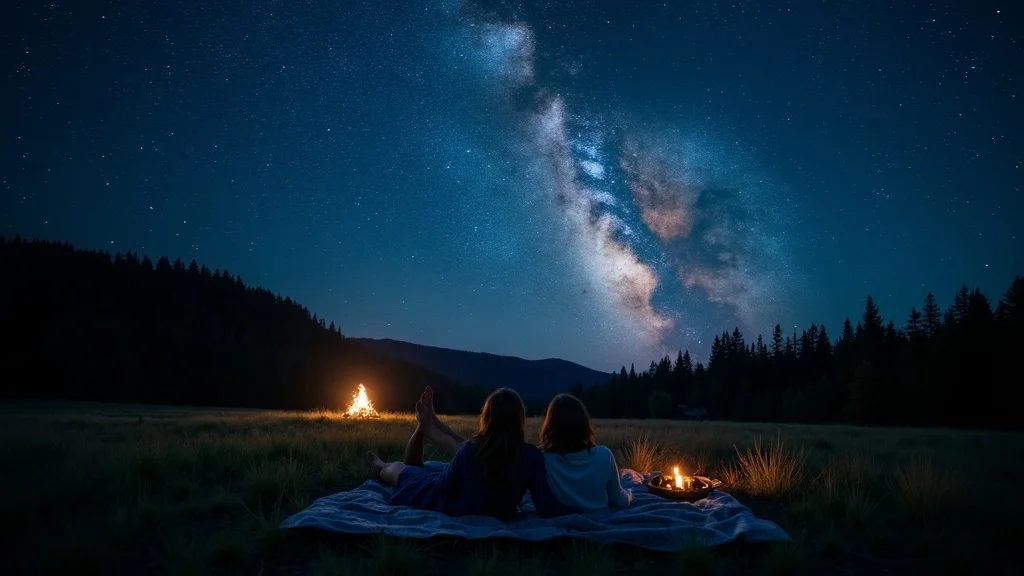
The emotional impact is lasting. Gazing upward, worries shrink and perspective grows. For families and friends alike, it’s a moment to pause, reflect, and be humbled by beauty, one that is impossible to schedule, only possible to experience. This is one of the true gifts of camping on undeveloped land.
Moments of Perspective: Why Wide-Open Spaces Lessen Life’s Stress
Open land is more than geography; it’s a sanctuary from stress. Wide spaces encourage reflection and distance from the noise of daily life. Moving through a state forest or standing on a meadow at dusk, worries begin to lose their grip. Breathing in fresh night air, tracing the arc of a shooting star, stress is quietly replaced by a sense of possibility and peace.
These moments are why campers return, and why families often create enduring traditions on public lands. Perspective is the true currency of these weekends, providing not just escape but true emotional restoration. It’s here, away from traffic and screens, that mental space is reclaimed, and the pressure of daily schedules is lifted.
Nature as a Sanctuary: Emotional Calm and Mental Restoration from Camping on Public Land
Camping on public land isn’t just a change of scenery, it’s a reset for the mind and spirit. The silence and openness found here invite real calm, soothing anxiety in a way no digital distraction can match. It is an emotional sanctuary, built not of walls but of open sky, moving water, and shaded trails.
As the days pile up, filled with unscheduled moments, spontaneous exploration, and long conversations, tension drains away. Emotional calm takes root, and mental energy returns. This restoration is not something bought or forced; it is a natural consequence of returning to the pace of the earth, enjoying each moment as it arrives.
"In open country, the mind has room to breathe. Silence isn’t just absence, it’s an invitation to return to yourself."
Memories Made Simple: Family Stories, Fishing Trips, and Scenic Drives
Some of life’s most treasured moments, first fish caught, laughter at a muddy trail, or the simple joy of a scenic drive, are forged in these open spaces. Camping on undeveloped land makes it easy to weave memories that outlast any photo album. It’s not about extravagance; it’s about presence and participation. Children remember searching for fireflies along a forest path, grandparents recall sharing stories as the wind rustles tents, and everyone carries home the glow of a weekend lived slowly and together.
Experiences here don’t come on a schedule. They unfold organically, creating stories that are retold year after year, forming the glue of family tradition. The result? Lasting gratitude for the simple, the spontaneous, and the deeply real.
Shared Adventures: Hiking, Fishing, and Outdoor Exploration for All Ages
Every wild space holds a new adventure. From hiking winding trails topped with wildflowers, to fishing in hidden creeks, and exploring forests as a family, every outing feels new. Hiking, especially, becomes a shared discovery; each summit reached is a victory not just over the hill but over the busyness left behind.
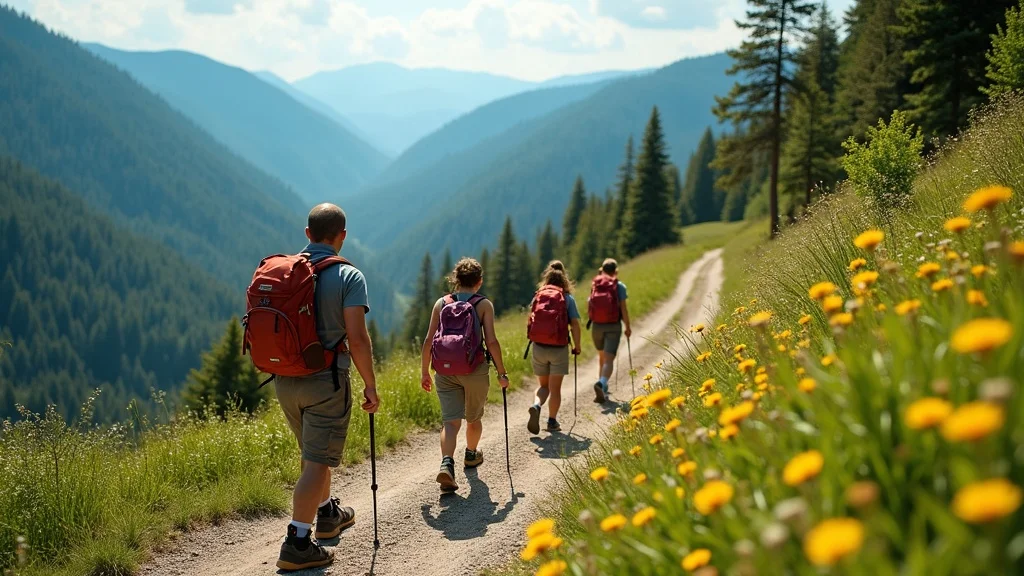
Fishing trips on quiet ponds, scavenger hunts under towering pines, drives along scenic byways, all of these help bridge generations, deepen bonds, and create the kind of memories that grow richer with each retelling. These are the days that draw families closer and inspire future generations to keep seeking wild places.
The Power of Unstructured Time: Experiences That Become Traditions
Traditions don’t require planning; they require presence. Unstructured weekends on public lands allow families to default to the simplest but most powerful forms of tradition, rituals of morning coffee, group hikes, or storytelling around the fire. Over time, what started as a single spontaneous trip becomes the foundation for family lore, passed along and cherished with each passing season.
These are the traditions that last: Grandpa’s fishing spot, Dad’s favorite breakfast by the creek, the perfect fire ring remembered from last summer. The freedom of open space and unscheduled time is what makes these routines possible, and memorable for all.
Comparison of Experiences: Dispersed Camping vs. Crowded Campgrounds
Experience Aspect |
Dispersed Camping on Undeveloped Land |
Traditional Campground |
|---|---|---|
Pace |
Unhurried, guided by nature |
Scheduled and structured |
Noise |
Natural sounds—birds, breezes, wildlife |
Car engines, radios, neighboring campers |
Space and Privacy |
Wide-open, customizable site; secluded |
Designated plots, close neighbors |
Rituals & Memories |
Organic, deeply memorable traditions |
Often dictated by campground rules |
Connection with Nature |
Immersive, uninterrupted access to wild places |
Limited by boundaries and rules |
Why Leave No Trace, Respecting Human Waste, and Mindful Habits Matter on Public Lands
Freedom on public lands comes with responsibility. Leave No Trace principles ensure that wild spaces remain beautiful, healthy, and accessible for generations to come. Responsible campers consciously minimize their impact, packing out all trash, respecting wildlife, managing human waste properly, and building only small, controlled fires where allowed. Practicing mindfulness in these places isn’t just a courtesy, but a way to honor land, water, and future memories waiting to be made.
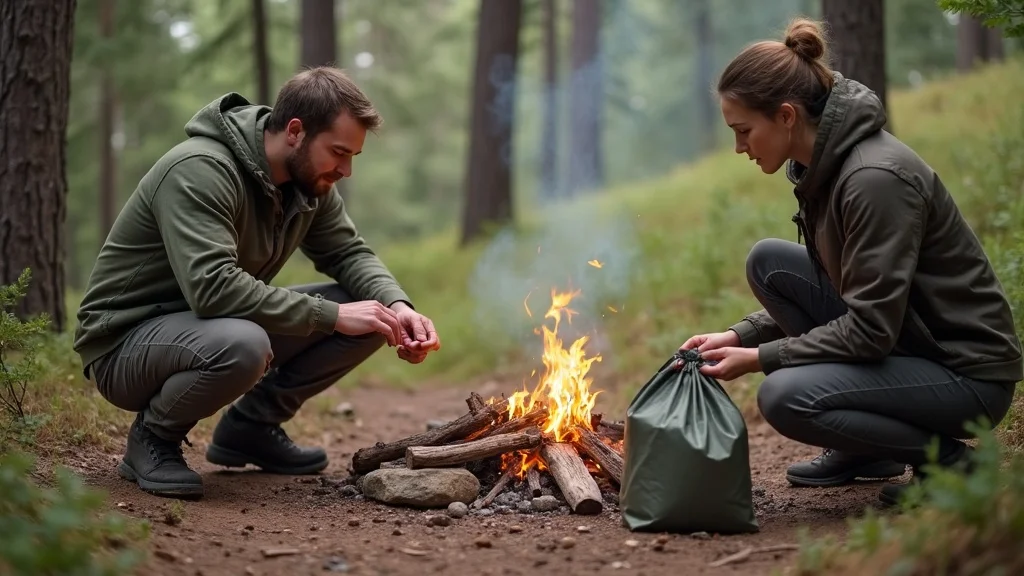
It’s essential to know the rules, no burn bans, camping only in designated areas on some lands, keeping at least 200 feet from a water source, and never trampling vegetation. These habits protect natural resources and ensure that experiences remain as magical for the next visitors as they are for you.
The Responsibility of Freedom: Practicing Leave No Trace
With the privilege of camping on undeveloped land comes the duty of care. Leave No Trace is not just about packing out trash; it means moving gently through fragile spaces, leaving rocks, plants, and animals undisturbed. Campfires should be built only where permitted, with dead wood gathered far from camp and always in a controlled fire ring or mound. Water is a precious resource, never pollute streams or lakes, and use biodegradable soap far from any water source.
Proper disposal of human waste is equally critical. Where no pit toilets are provided, use a portable toilet or dig a “cathole” at least 6 inches deep and at least 200 feet from any water source, trail, or camp. Pack out all toilet paper and hygiene products. These practices, though perhaps less glamorous than stargazing or storytelling, are essential to keeping public land wild and open for everyone.
Caring for Public Land: How Mindfulness Sustains the Outdoor Experience
Mindful camping sustains not just the environment, but the culture of outdoor memory-making. Simple actions, avoiding trampling plant life, respecting quiet hours, using established fire rings, and keeping lights low at night, add up to a lasting impact. Each choice is a mark of respect, a way of saying thank you to lands that offer so much.
This stewardship deepens the emotional value of each trip. Campers who care for public land find that their gratitude and connection to place grows with every visit. The land gives, and so the land is cared for in return.
Managing Human Waste and Wildlife Interactions While Dispersed Camping
Managing human waste responsibly is a cornerstone of Leave No Trace. Along with proper disposal, campers should carefully store food and scented items to avoid wildlife encounters. Use bear-proof containers when needed and never feed animals. Tidy campsites, minimal gear, and quiet movement through the trees reduce negative impacts on wildlife.
Following these mindful habits ensures that everyone, from hikers and anglers to families with young children, can continue to find freedom and calm in the nation’s public lands and state forests.
Build only small, controlled campfires
Pack out what you pack in
Avoid trampling plant life
Respect quiet hours and preserve night skies
What is the 3-3-3 rule for camping?
The 3-3-3 rule encourages mindful travel and rest while camping, especially for RVers and those dispersed camping on public land. It suggests driving no more than 300 miles in a day, stopping by 3:00 PM, and staying at least 3 nights in each new place. Following this helps campers slow down, enjoy each destination, and reduce weariness for deeper enjoyment of the experience.
Understanding how the 3-3-3 rule encourages mindful camp routines and minimizes impact on the land.
By encouraging shorter driving days and longer stays, the 3-3-3 rule reduces road fatigue and helps campers form a connection with the land. This approach means less impact on fragile sites, more opportunities to practice Leave No Trace (like picking up trash and avoiding overused spots), and a better chance to enjoy dispersed camping without feeling rushed.
Can you camp on unimproved land?
Yes, you can camp on unimproved (undeveloped) land in many regions, most commonly within national forests, state forest land, or other public lands where dispersed camping is allowed. It’s important to check specific land management agency rules, as regulations and allowable activities differ by location. Respect signs and closures, ensure you’re not on private land, and practice Leave No Trace guidelines always.
Exploring opportunities for dispersed camping on undeveloped lands while respecting regulations and local guidelines.
Dispersed camping is permitted in many areas managed by the U. S. Forest Service, Bureau of Land Management, and certain state agencies. Always research the area’s official website before setting out, as some lands may be closed seasonally, require permits, or prohibit camping near water sources or in sensitive habitats. Observing local regulations helps keep access open for everyone.
What is the 200 rule for camping?
The 200 rule means camping at least 200 feet (about 70 adult paces) from any water source (like a river, lake, or creek) when setting up your dispersed camp. This helps keep drinking water clean for people and wildlife, reduces pollution, and preserves delicate streambank vegetation.
Explaining how the 200 rule helps keep campsites sustainable and waterways protected.
Following the 200 rule means your camp’s waste, soap, or spilled food is less likely to enter creeks or lakes, keeping ecosystems healthy. This small act helps maintain sustainable, beautiful campsites for future visitors while respecting the land and water creatures that call these places home.
What is the 444 rule for camping?
The 444 rule is a guideline, often used by RV travelers, suggesting no more than 4 hours of travel in a day, 4 days of camping in a single spot, and beginning the day’s journey no later than 4:00 PM.
Interpreting the 444 rule for longer RV travels and maintaining healthy rhythms while camping on public land.
Embracing the 444 rule keeps travel enjoyable and safe, especially when exploring dispersed camping options. Limiting travel hours reduces fatigue, setting up camp earlier ensures daylight, and moving every 4 days gives time to establish routines while still leaving sites minimally impacted. It’s about maintaining a comfortable, restorative pace on public land adventures.
FAQs About Camping on Undeveloped Land, Public Land, and Dispersed Camping
What’s the best season for camping on undeveloped land?
Each season brings unique rewards. Spring and fall offer mild temperatures and fewer bugs. Summer is popular for its long days, though water sources may run low in late season. Winter camping rewards adventurers with solitude but demands extra preparation and caution.Is dispersed camping safe for first-time campers?
Yes, with a little planning. Start in less remote areas, read local rules, share your plans, and bring essentials like drinking water and navigation tools. With awareness and respect for the location, dispersed camping can be safe, memorable, and deeply rewarding.How do I find public lands suitable for camping?
Resources like federal agency websites (USFS, BLM), state recreation guides, and hiking apps are great starting points. Look for maps showing areas where dispersed camping is allowed, and always verify local guidelines before heading out.Do I need a permit for dispersed camping?
Sometimes. Many national forests and BLM lands don’t require permits for small groups or short stays, but some sites and seasons do. Always check the land manager’s official website for requirements relating to permits, group size, or campfire restrictions.How should I prepare for weather changes on undeveloped land?
Bring extra clothing, a sturdy tarp, and reliable shelter. Monitor forecasts, be aware of elevation-specific changes, and prepare for both sun and sudden storms. Flexibility and a focus on simplicity make adapting to wild weather much easier when out on public land.
Key Takeaways: The Lasting Value of Camping on Undeveloped Land
Camping on undeveloped land replaces urgency with presence.
Simple outdoor rituals forge lifelong memories.
Public lands offer space to slow down and reconnect.
Scenic evenings, clear skies, and campfire talks have emotional healing power.
The Freedom of Open Space: Rediscovering Yourself through Camping on Undeveloped Land
"Some of the best moments in life aren’t planned. They unfold beneath open skies, with no schedule to keep, and no place you’d rather be."
In the quiet between dusk and dawn, as campfire embers cool and stars blaze overhead, you’ll realize the true wealth of camping on undeveloped land. The freest version of yourself is not found in constant motion but in open space and timeless moments outdoors.
So, next time life begins to feel too crowded or hurried, remember the freedom waiting on public land, the invitation to return, slow down, and find peace in the wild once again.
If this article inspired you to imagine a place of your own, GovernmentAuction.com offers undeveloped land opportunities across the United States for recreation, off-grid living, future investment, and family retreats. Explore available properties and discover what land ownership could mean for you.
If you enjoyed this article, why not stay connected? Join Land Unplugged on Facebook and YouTube for exclusive local information. @landunplugged


Write A Comment